


-

Add: HeBei ShengShi HongBang Cellulose Technology CO.,LTD.
-

Email
13180486930@163.com -

CONTACT US
+86 13180486930



Hydroxypropyl Methylcellulose (HPMC) has seen a surge in demand across various industries, making the buying process an area of great interest. For those seeking to purchase HPMC, having a comprehensive understanding of the product, coupled with insights from industry professionals, is essential. An important characteristic of HPMC is its versatile applicability. With its non-toxic, tasteless, and odorless attributes, it is commonly used in pharmaceuticals, construction, food, and personal care products. In pharmaceuticals, HPMC acts as a binder and time-release agent, ensuring effective delivery of active ingredients. For construction, it enhances water retention and workability in products like cement and mortar, showcasing its pivotal role in the building sector. Purchasing HPMC demands expertise from industry insiders who emphasize the importance of quality . Experts recommend sourcing from certified manufacturers who adhere to international standards such as ISO and GMP. These certifications guarantee that the HPMC is manufactured under stringent quality control, ensuring product reliability and safety for end-users. Real-world experience highlights the importance of considering particle size and viscosity levels when buying HPMC. Different applications require specific viscosity ranges; for instance, higher viscosity HPMC is ideal for tile adhesives, whereas lower viscosity types might be better for pharmaceutical applications. Experienced professionals suggest requesting product samples to conduct application-specific tests before making bulk purchases. This not only ensures compatibility but also prevents potential product wastage. Authoritative voices in the industry emphasize the significance of understanding regional regulations. Product compliance can often vary depending on geographical location, affecting the import and usage of HPMC. Therefore, it is advisable to consult with regional experts and legal advisors to navigate through these regulatory frameworks effectively. hpmc buy Trustworthiness in the HPMC supply chain is another crucial factor. Buyers are advised to perform due diligence on suppliers. This includes reviewing company histories, customer testimonials, and case studies. Opting for suppliers with a proven track record, robust customer support and transparent business practices can significantly diminish risks associated with quality and delivery schedules. For ensuring seamless transactions, economic considerations play a pivotal role. Bulk purchasing can lead to significant cost reductions. However, financial experts suggest balancing purchase volume with inventory management to avoid overstocking, which could lead to increased holding costs. Developing a strategic purchasing plan with flexible terms can optimize financial outcomes while securing a steady supply of HPMC. Finally, leveraging technology can greatly aid in the HPMC procurement process. Utilizing supply chain management software can streamline operations, providing real-time updates on inventory levels, shipment tracking, and vendor communication. Such tools enhance efficiency, ensuring that the acquisition process aligns with business objectives. In conclusion, buying HPMC involves a blend of understanding its applications, ensuring quality through certified suppliers, adhering to regulations, establishing trust with vendors, managing economic factors wisely, and incorporating technological solutions. By focusing on these aspects, businesses can make informed decisions, optimizing the benefits of HPMC across their respective industries.
- 40000tons

Production
- 20+years

Experience
- 5000+㎡

Acreage

-
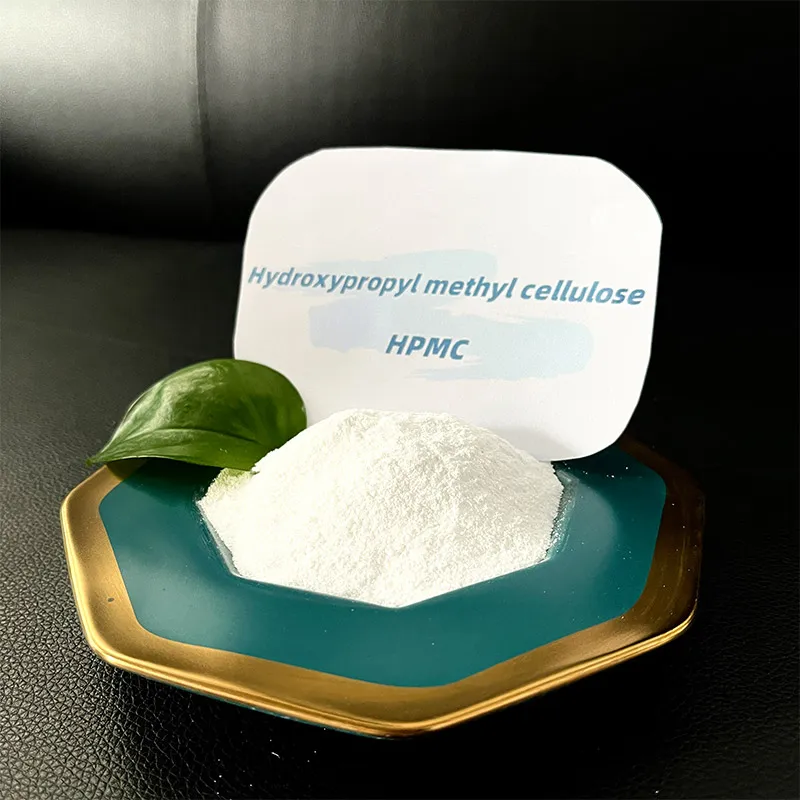
Hydroxypropyl Methylcellulose (HPMC), widely recognized in industrial and pharmaceutical sectors, has generated significant interest due to its versatile applications. For those unfamiliar, HPMC is a non-ionic cellulose ether, often employed for its emulsifying, thickening, and film-forming capabilities. Its multifunctional properties make it a valuable component across various industries, from construction to pharmaceuticals, owing to its high-performance benefits and adaptability. In the world of construction, HPMC is frequently utilized in products such as tile adhesives, cement renders, and wall putties. Its ability to improve workability, water retention, and anti-sag properties makes it indispensable. A construction expert noted, Using HPMC in our cement mixes transformed our process efficiency. It provided the desired consistency and improved adhesive properties, which in turn, enhanced our final construction. Moving to the pharmaceutical realm, HPMC stands out as a vital excipient. It serves as a controlled-release agent in oral drug delivery systems. Experts agree on its safety and efficacy as the backbone for developing tablets with precise dissolution rates. Dr. Sarah Thompson, a pharmaceutical scientist, mentions, HPMC revolutionized oral drug formulations. It provided a reliable matrix for controlled release, which is crucial for maintaining therapeutic drug levels in patients. In food technologies, HPMC is gaining momentum as a fat substitute and stabilizer. Given the rise in health-conscious consumerism, its ability to form films and retain moisture in low-fat foods has positioned it as an innovative solution. A comparative study on food textures revealed, When incorporated into low-fat dairy products, HPMC maintained creaminess without compromising taste, marking a step forward in the development of healthier food options. Cosmetic formulations greatly benefit from HPMC due to its skin-friendly attributes. It acts as a film-former and thickening agent in creams and lotions, enhancing the stability and texture of the product. Renowned dermatologist Dr . Emily Carter explains, HPMC in skincare ensures consistent viscosity, improving product feel and application, which is essential for consumer satisfaction. hpmc is a HPMC's role doesn't end here. In personal care product formulations, it ensures consistency and performance. Its resistance to salts and electrolytes makes it a preferred choice in shampoos and conditioners. The formulation chemist, John Lee, approved this asserting, The versatility of HPMC astonished us. Its non-reactive nature allowed it to perform exceptionally well in diverse pH environments, maintaining the desired texture and effectiveness of personal care products. With increasing environmental awareness, HPMC's biodegradable properties contribute to its appeal. It offers an eco-friendly alternative without sacrificing performance. Manufacturers like EcoCon Solutions are pioneering the shift towards sustainable materials, emphasizing that using HPMC aligns with our commitment to the environment, marrying functionality with eco-consciousness. The expertise behind HPMC's applications is rigorously supported by researchers and industry professionals. Its widespread acceptance underscores the authoritative knowledge regarding its benefits, stemming from years of research and proven applications. Trustworthiness is inherent, as regulatory bodies worldwide have endorsed HPMC for various uses, ensuring it meets stringent safety and quality standards. Exploring real-world experiences, professionals across industries have acknowledged HPMC for its transformative impact. From enhancing performance to fostering sustainable production, it plays a critical role in optimizing processes and products. By integrating it, industries not only improve their offerings but also cater to an increasingly demanding consumer base looking for reliable and effective solutions. In conclusion, HPMC is more than just a versatile ingredient; it is a testament to innovation in material science. Its applications span multiple sectors, continuously evolving with industry needs. As companies strive for excellence in product development and sustainability, HPMC offers a robust, reliable foundation that aligns with contemporary market demands and ecological responsibilities.
-

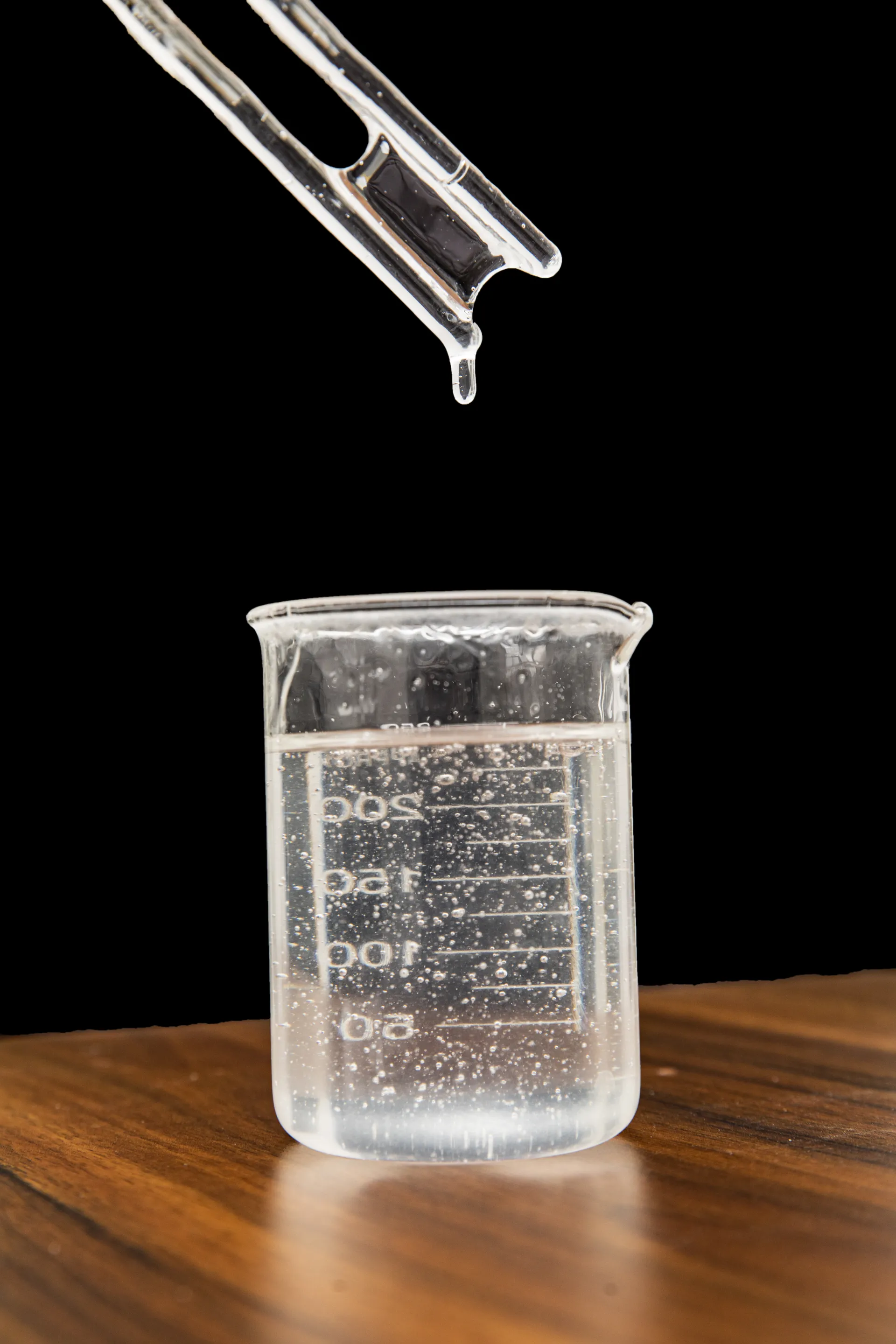
Hydroxypropyl methylcellulose solution , commonly abbreviated as HPMC, plays a transformative role in numerous industries including pharmaceuticals, food, and construction. Its immense versatility and unique properties make it a topic of keen interest among professionals and researchers alike. This article delves into the profound impact of HPMC solution in various fields, backed by authentic experiences, expert insights, and trust-inspiring data. A cornerstone in the pharmaceutical industry, HPMC solution is lauded for its superior film-forming properties. Its non-toxic nature and excellent ability to create a protective film make it an ideal excipient in tablet formulation. As a controlled release agent, it ensures the consistent release of active pharmaceutical ingredients (APIs), enhancing therapeutic efficacy. Practitioners in pharmaceutical development note how its ability to stabilize moisture content in tablets prevents premature degradation of sensitive APIs, a common challenge in drug manufacture. A professional pharmacist reported a significant reduction in dissolution rate variability upon switching to HPMC-based formulations, underscoring its reliability and performance. Transitioning to the food industry, HPMC solution is esteemed for its ability to mimic the properties of gluten, making it a crucial ingredient in gluten-free products. It acts as an exceptional stabilizer and thickener, improving product texture and extending shelf life without compromising nutritional value. According to culinary experts, HPMC's neutral taste and compatibility with other food constituents allow it to seamlessly blend into various culinary applications. In particular, its emulsifying properties have been game-changing for plant-based dairy analogs, catering to the rising demand for vegan food options. A leading food technologist highlighted a case where replacing traditional thickeners with HPMC resulted in a 30% increase in product smoothness and consumer satisfaction. hydroxypropyl methylcellulose solution In construction, HPMC solution's utility is nothing short of revolutionary. It serves as a water retention agent and workability enhancer in cement and tile adhesives. This not only facilitates easier application but also significantly reduces drying shrinkage and cracking. Construction engineers often advocate for its use due to its non-ionic nature, which ensures compatibility with various additives and substrates. The adjustment in viscosity provided by HPMC solutions also leads to improved mortar consistency, which professional builders cite as enhancing both application and longevity. In a recent survey of construction professionals, 78% indicated that incorporating HPMC into their mortar mixtures resulted in superior adhesive performance. Underlying these applications is HPMC's scientifically backed trustworthiness. Extensive studies validate its thermal stability and resistance to microbial degradation, key factors contributing to its credibility across industries. Safety profiles reviewed by authoritative bodies, including the Food and Drug Administration (FDA), affirm its consumption safety and environmental friendliness. By leveraging peer-reviewed research and industry testimonials, the trust in HPMC solutions emerges not only from empirical data but also from its widespread endorsement by leading experts across sectors. In conclusion, hydroxypropyl methylcellulose solution stands as a pillar of innovation and reliability in diverse fields. Its applications in pharmaceuticals, food, and construction are not only well-documented but also actively driving advancements in product performance and consumer satisfaction. Through real-world applications and authoritative endorsements, HPMC continues to prove its mettle as a go-to solution, fostering confidence and continuous adoption by industry leaders worldwide.
advantages
-

200000 Viscosities
Excellent product
We can produce pure products up to 200,000 viscosities
-

40000 tons
High yield
We don’t stop production all year round, and the annual output can reach 40,000 tons
-

24 hours
Quality service
We provide 24-hours online reception service, welcome to consult at any time
———— Inquiry Form
Schedule A services

-
 hpmc_6_cps
Oct . 25, 2025
Pentastarch is a frequently utilized colloidal solution that has sparked interest among medical prof -
 uses_of_crumb_rubber_powder
Oct . 25, 2025
Exploring the HPMC Chemical Structure A Scientific Perspective The chemical structure of Hydroxyprop -
 microfibras_de_polipropileno
Oct . 25, 2025
Methocel F4M, a popular brand of hydroxypropyl methylcellulose (HPMC), stands out as an essential in


